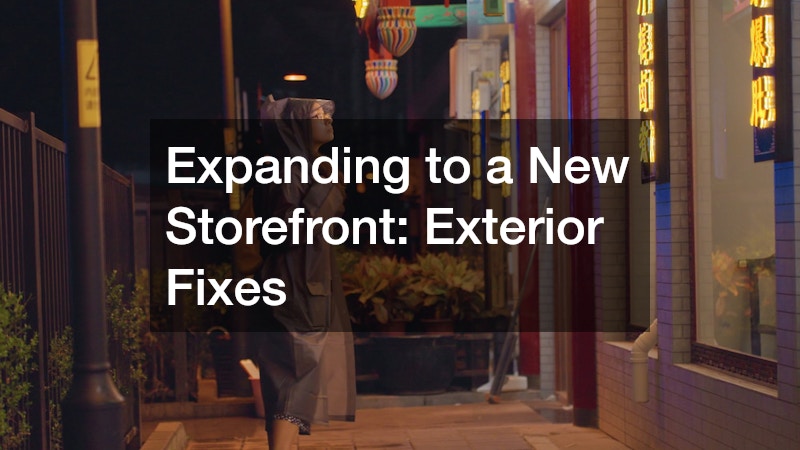
Expanding a physical footprint represents a monumental milestone for any growing enterprise. When a company transitions from a single location to a multi-unit operation, or moves into a larger commercial space, the physical presentation of the new site serves as the ultimate physical handshake with the prospective community. While interior layouts, inventory systems, and point-of-sale software often capture the majority of a business owner’s attention during an expansion project, the exterior of the building carries an immense weight in establishing brand authority, customer trust, and operational efficiency. First impressions are formed within seconds of an approach, and an unkempt or structurally deficient building facade can deter foot traffic before a customer ever crosses the threshold.
- Establish a strong visual presence to capture foot traffic and convey instant brand trust.
- Mitigate long-term structural risks by conducting thorough exterior inspections early in the site acquisition phase.
- Balance decorative aesthetic enhancements with essential functional repairs to create a cohesive commercial environment.
Revitalizing an exterior requires a delicate balance of aesthetic upgrades, structural assessments, and essential maintenance routines. Neglecting the outer shell can lead to severe operational headaches later, ranging from moisture intrusion and foundation settling to zoning violations and accessibility compliance issues. A comprehensive exterior overhaul should address every facet of the perimeter, including the roof, structural foundations, surrounding landscape, entryway hardware, and boundary delineation. By systematically evaluating and renovating the outer structure, business leaders ensure that their physical expansion reflects the high standards, safety, and professionalism of their overarching brand.
Essential Structural Assessments Before Renovation
Assessing Roof Integrity and Overhead Protection
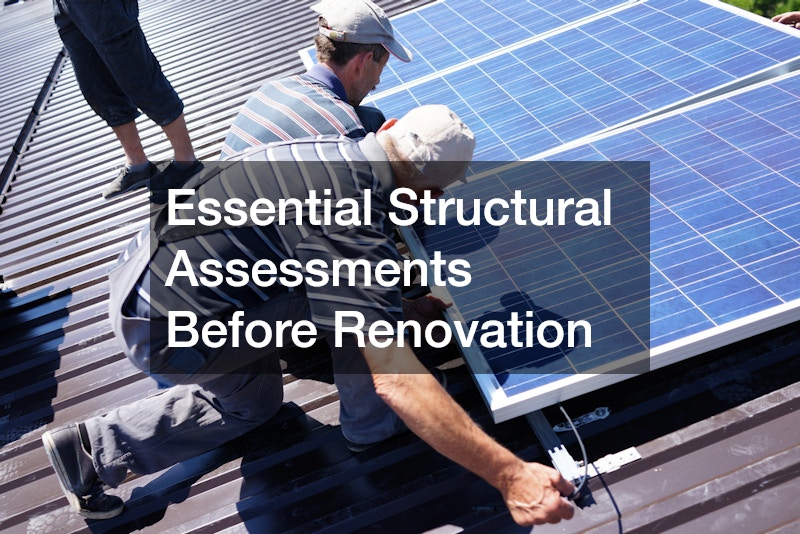
Before investing heavily in aesthetic exterior upgrades, a thorough assessment of the structure’s top layer is critical. Roof systems bear the primary burden of weather defense, guarding internal assets, inventory, and electrical infrastructure against water damage, heavy winds, and extreme temperatures. A compromised roof can quickly lead to hidden mold growth, ruined interior finishes, and costly inventory losses. Early in the lease or purchase negotiation, engaging qualified commercial roofing contractors to conduct an extensive structural audit is paramount. These professionals examine flashing details, drainage flow, membrane flexibility, and thermal performance to identify vulnerabilities that might otherwise remain unseen during a standard visual walk-through. Addressing minor roof repairs before opening the doors prevents unexpected closures and costly emergency interventions during peak business operations.
- Inspect insulation levels and thermal reflectivity to ensure maximum HVAC energy efficiency.
- Evaluate flashings around parapet walls, skylights, and rooftop HVAC units for seam separation.
- Clean and clear all primary and overflow roof drains to prevent heavy water accumulation during torrential downpours.
Auditing Exterior Walls and Drainage Systems
Exterior walls serve a dual purpose of supporting structural integrity and projecting brand aesthetic. During an expansion project, inspect brickwork, stucco, or siding for cracks, moisture staining, or structural shifts that indicate improper drainage. Downspouts and gutter networks must divert water away from the foundation rather than allowing it to pool near walkways or wall bases. Poor water management leads to erosion, foundational distress, and dangerous ice hazards during winter months. Hiring reputable providers for roofing services early in the renovation timeline ensures that upper-level drainage integration connects seamlessly with ground-level drainage strategies, creating an envelope that protects your capital investment for years to come.
Elevating Curb Appeal Through Landscaping and Hardscaping
Refreshing Perimeter Greenery and Ground Cover
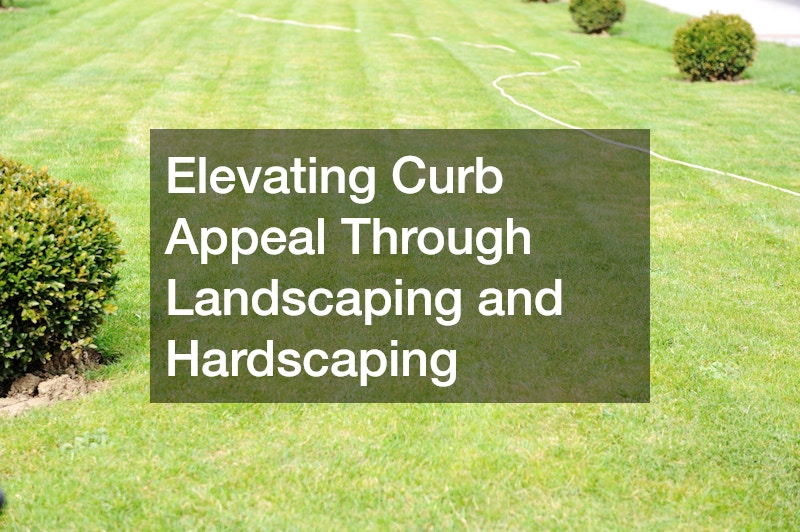
Landscaping sets the visual mood for a retail store or commercial headquarters. Clean, well-maintained green spaces convey meticulous attention to detail and signal to customers that the business is thriving. Neglected flower beds, dead shrubs, and overgrown weed patches give an impression of abandonment, subverting even the most modern interior designs. Refreshing the ground layer with fresh organic material creates an instantly polished look while suppressing weed growth and retaining soil moisture around foundational plants. Partnering with a professional vendor to deliver commercial mulch services allows business owners to cover large acreage efficiently, creating neat, cohesive beds that outline walkways and accentuate building entryways.
- Choose drought-tolerant native plants to reduce ongoing irrigation costs and replacement needs.
- Establish clear sightlines from the street to primary signage and entryway doors through strategic pruning.
- Install robust bed edging to keep ground cover contained and away from pedestrian footpaths.
Maintaining Underground Utilities and Irrigation
A beautiful landscape requires ongoing hydration, but commercial sites often suffer from neglected or broken underground water lines. Before planting new flora or committing to extensive lawn care, inspect the site’s water sources and subterranean infrastructure. Resolving low water pressure, broken sprinklers, or damaged well pumps prevents the degradation of new landscaping investments. Utilizing specialized local well services ensures that on-site water supply lines function at optimal pressure without overburdening municipal lines or generating exorbitant utility expenses. Maintaining clean water lines also safeguards exterior hose connections used for standard pressure washing and perimeter cleaning routines.
Repairing and Optimizing Ground Surfaces
Fixing Uneven Walkways and Pedestrian Paths
Pedestrian safety should remain at the forefront of any exterior revitalization plan. Cracks, sunken slabs, and uneven seams in sidewalks introduce severe tripping hazards, exposing the enterprise to potential liability claims while creating negative accessibility experiences. Over time, soil compaction, erosion, and tree root growth disrupt ground slabs, creating dangerous vertical lip displacements. Rather than replacing entire walkways at excessive expense, modern restoration techniques offer streamlined alternatives. Working with an experienced concrete leveling specialist allows management to lift sunken slabs back to their original elevation using precise injection methods, eliminating trip risks quickly without disrupting ongoing construction schedules.
- Identify and measure vertical lip displacements across all outdoor customer paths.
- Select high-density polyurethane injection or mudjacking based on soil composition and slab weight.
- Apply durable joint sealants to prevent future water infiltration underneath leveled slabs.
Restructuring Foundations and Heavy Load Surfaces
Commercial properties often feature high-traffic zones designed for delivery vehicles, heavy equipment, or high-volume customer vehicles. When subgrades shift or foundational slabs crack under excessive loads, simple top-layer patching is insufficient. Deep structural support requires specialized machinery capable of placing dense mixtures deep beneath the surface to stabilize sinking areas. Partnering with a reputable concrete leveling firm or hiring a certified concrete pumping company guarantees that heavy-pour areas like loading docks, trash enclosure pads, and primary entry ramps receive the dense structural backing required to support continuous commercial traffic without future settling or cracking.
Upgrading Flatwork and Structural Concrete Slabs
For high-traffic commercial zones that are beyond simple repair, complete replacement of concrete surfaces may be necessary. Brand-new concrete entry pads, ADA ramps, and outdoor seating areas provide a crisp, clean canvas that significantly elevates the exterior aesthetic. Sourcing professional commercial concrete services guarantees that the proper PSI mixes, rebar reinforcement grids, and control joints are integrated into the design. Quality flatwork withstands heavy environmental wear, resists freeze-thaw cracking cycles, and offers a smooth, professional surface that invites customers into the establishment seamlessly.
- Verify proper curing times and sealing applications before opening new flatwork to heavy foot or vehicular traffic.
- Ensure all newly poured ramp slopes and landing areas strictly adhere to federal accessibility dimensions.
- Integrate wire mesh or steel rebar grids to reinforce high-stress entry thresholds.
Optimizing Parking Lots and Vehicle Entrances
Resurfacing and Re-Striping Parking Structures
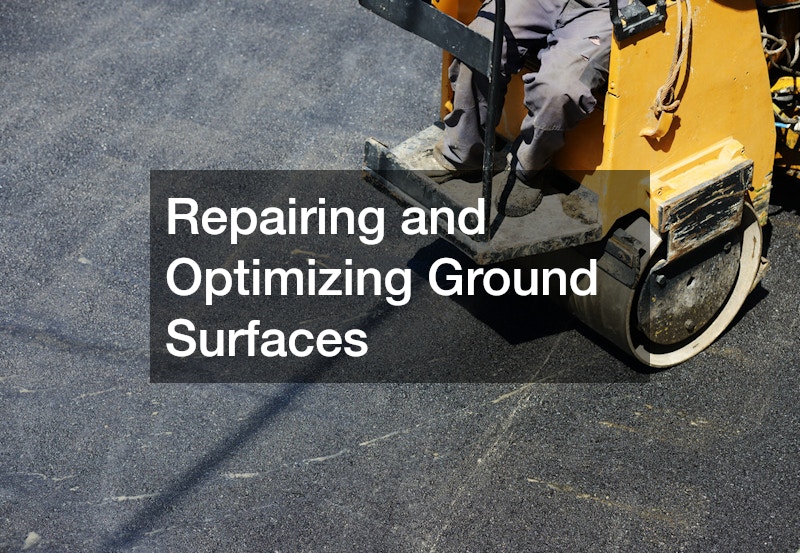
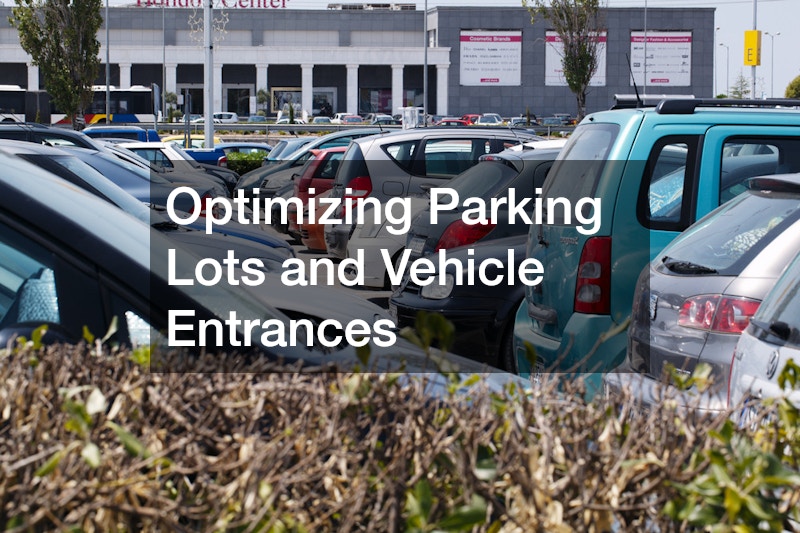
The parking lot is frequently the very first interaction a client has with a physical establishment. Potholes, faded line markings, and cracked asphalt project an image of disrepair before the customer even steps out of their vehicle. A comprehensive parking lot overhaul involves filling asphalt fissures, sealcoating the entire surface to protect against chemical spills and ultraviolet degradation, and applying vibrant paint for parking stalls. Engaging expert paving contractors ensures that traffic flow is optimized, fire zones are properly designated, and standard accessibility spaces comply with local municipal codes and federal accessibility guidelines.
- Map out clear directional arrows to direct incoming and outgoing traffic safely.
- Schedule asphalt sealcoating during low-volume hours or weekends to prevent business disruption.
- Install heavy-duty wheel stops to protect exterior building walls and decorative landscaping.
Enhancing Driveways and Delivery Access Bays
Smooth vehicle transitions from public roadways onto private commercial property reduce vehicular wear and prevent traffic congestion during busy operational hours. Inadequate aprons or crumbling curb cuts can damage customer vehicles and create friction during inventory deliveries. Renovation budgets should allocate funds toward rebuilding damaged entry aprons and reinforced delivery pathways. By collaborating with qualified paving contractors, businesses can design durable driveway approaches that handle heavy freight trucks without compromising the structural integrity of the surrounding asphalt or concrete grid.
Entryways, Windows, and Perimeter Boundaries
Modernizing Main Entrance Portals and Storefront Glass
The physical entrance of a store or office is the focal point of the building’s facade. Outdated, scratched, or improperly sealing front doors diminish thermal efficiency and detract from brand presentation. Installing high-visibility, energy-efficient commercial glass doors creates an inviting, open portal that welcomes light into the interior space while offering passersby a clear view of merchandise or interior professional environments. Modern entryways also incorporate automatic opening mechanisms and robust security locks, balancing customer convenience with facility safety.
- Select low-E glass coatings to minimize solar heat gain and lower interior summer cooling costs.
- Install commercial-grade weather stripping to eliminate drafts and reduce humidity infiltration.
- Incorporate modern access control systems, such as keycard or biometric readers, for off-hours entry.
Ensuring Precise Property Lines and Zoning Compliance
Before erecting exterior fencing, extending outdoor dining patios, or constructing permanent signage, business owners must confirm exact legal property lines. Encroaching on neighboring lots or public rights-of-way can result in costly legal battles, forced teardowns, and fines from municipal planning boards. Utilizing commercial land surveying services provides an accurate, legally binding map of property boundaries, utility easements, and building setbacks. Having precise boundary measurements prevents disputes with neighboring property owners and streamlines the permitting process for any planned structural modifications to the facade or outdoor spaces.
Systematic Planning for Exterior Renovations
- Audit the entire site boundary, noting safety hazards, structural defects, and compliance gaps.
- Consult local municipal zoning guidelines to confirm rules for exterior modifications, signage, and setback requirements.
- Secure detailed bids from multiple licensed contractors, ensuring scope of work documents explicitly state project timelines and material specifications.
- Sequence construction logically, prioritizing high-overhead roof repairs and deep underground utility work before executing surface-level paving, landscaping, or door installations.
- Monitor ongoing progress daily to ensure contractor compliance with architectural plans, ADA standards, and local building codes.
- Establish a continuous exterior maintenance schedule to protect new investments, including routine pressure washing, landscape trimming, and seal-checking.
Sustaining Long-Term Commercial Presence
Executing a meticulous exterior overhaul transforms a newly acquired space into a powerful marketing tool and a functional asset. By addressing fundamental elements such as roofing integrity, subterranean water systems, smooth ground surfaces, clean landscaping, and secure entrance hardware, business leaders protect their physical assets against environmental deterioration while projecting confidence to their customer base. A clean, accessible, and well-maintained exterior communicates operational excellence long before a customer experiences the products or services inside.
- Schedule biannual exterior sweeps to identify new cracks, minor leaks, or paint degradation early.
- Establish clear vendor contracts for ongoing seasonal maintenance like leaf clearing and snow removal.
- Document all structural repairs and warranties in a centralized facility management ledger.
Beyond immediate visual appeal, proactive external management acts as a vital risk-mitigation strategy for commercial property operations. Proactively reinforcing perimeter security, upgrading exterior architectural lighting, and removing hazardous debris minimize exposure to unexpected premises liability claims. Bright, well-illuminated walkways discourage unauthorized trespassing during non-business hours, while clear emergency exit routes protect both staff and visitors in critical situations. Prioritizing these foundational safety enhancements alongside aesthetic renovations fosters a secure environment that upholds brand reputation and instills confidence across your operational footprint.
Investing the necessary time, capital, and professional expertise into the building perimeter lays a strong foundation for sustainable growth, customer loyalty, and long-term commercial success in a competitive market. Taking proactive control of your building’s outer shell sends an unambiguous signal to employees, clients, and prospective investors that your business is anchored in quality, prepared for scale, and fully committed to serving the surrounding community for years to come. Ultimately, thoughtful exterior improvements convert passing street traffic into lasting commercial engagement, ensuring your multi-location expansion thrives right from the start.